R520.00
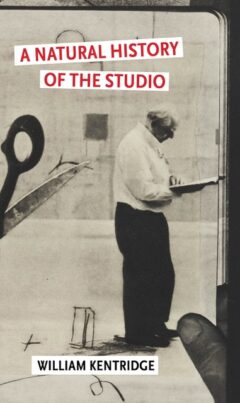
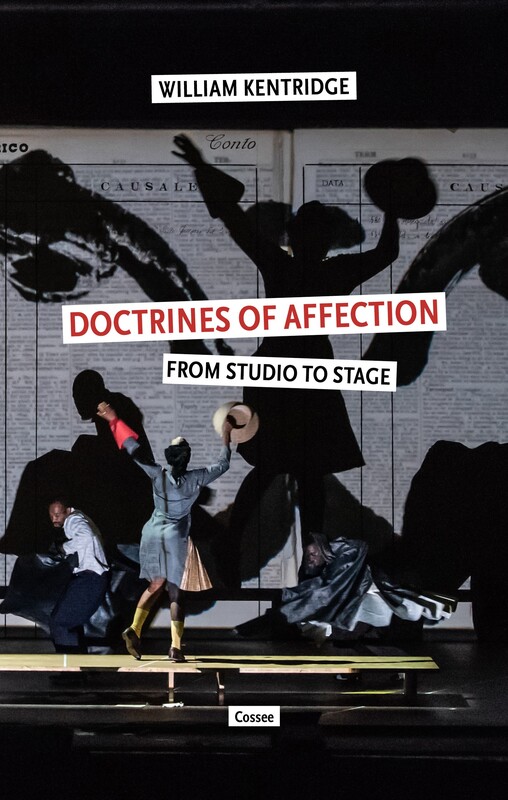
In Doctrines of Affection, William Kentridge reflects on the development of his work across photography, theatre, film, music and large-scale visual art. With humour, generosity and intellectual depth, he explores how ideas evolve in the studio, how intuition and ambiguity shape artistic practice, and how visual language can deepen our understanding of the human condition.
Description
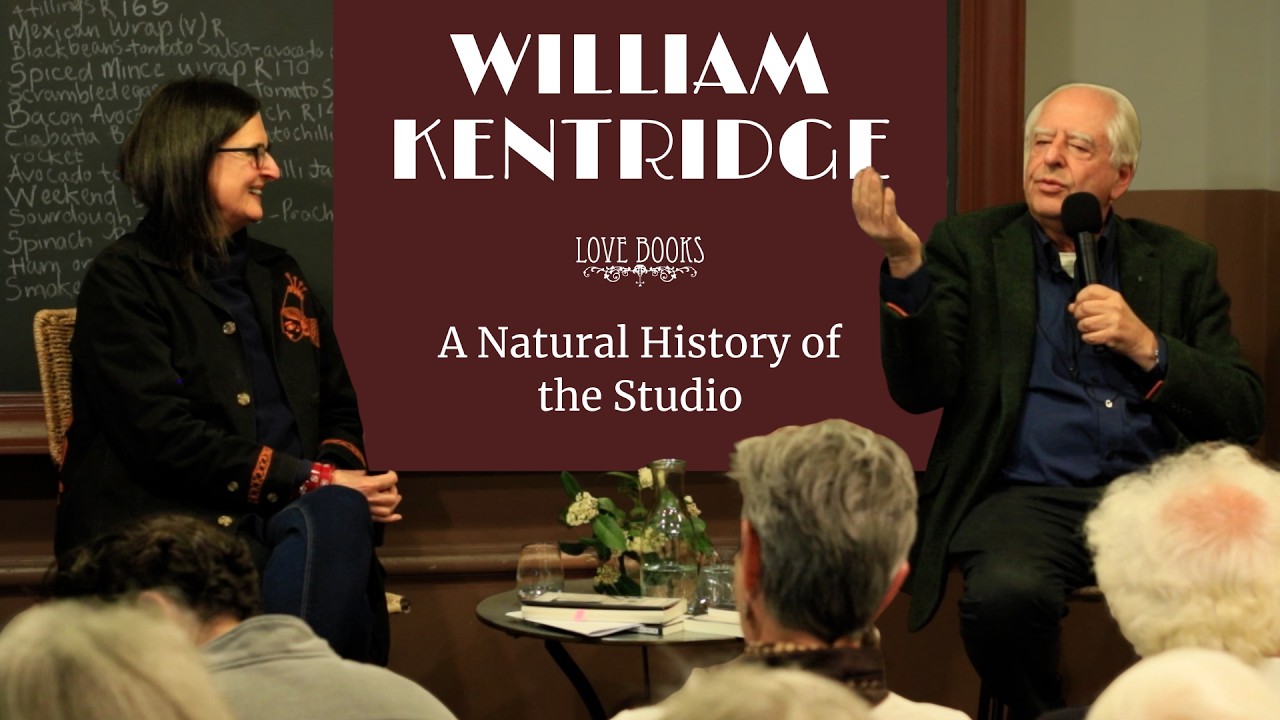
William Kentridge, one of the leading artists working today, explores how his works came into being, from the first photograph he ever made, through studies in drama, posters for theatre plays and work in the film industry.
In Doctrines of Affection he shows how intuitions, connections and objects migrate from a table-top model in his studio to opera houses and exhibition spaces, how to work with music and to connect this work with the outside world.
Kentridge celebrates the pleasures of the absurd and of self-deception, resisting the purely rational. When certainties fail, he allows ambiguity and doubt to emerge, and “the less good idea” to flourish. With humour and generosity, he explores how he finds a visual language on a vast scale for well-known classical works from Mozart to Monteverdi thereby enhancing their expression of the human condition.
About the author
William Kentridge (Johannesburg, 1955) is one of the most influential artists of our time, whose work spans drawing, film, sculpture, theatre, and opera, united by a fluid approach across media. At the core of his practice lies drawing, which he has described as a way of thinking in time—marked by erasure, movement, and revision. Growing up in Johannesburg during apartheid, in what he has called a ‘fractured society’, Kentridge’s work emerges from a condition of historical rupture and ethical unease. Rather than offering positions or solutions, it proceeds through uncertainty, contradiction, and provisional meaning, often articulated through irony and a dry, self-questioning humour.